What is brand positioning and why it matters?
Yes, visibility helps your brand, but even the highest quality products start to blend in without differentiation or a reason to care. This is where brand positioning comes in.
Brand positioning defines how your brand is understood in the market and why it is worth choosing over other options. A strong brand positioning strategy, with the help of an agency, can create a clear, ownable point of view that shapes your messaging at every touchpoint.
Overall, when your positioning is clear and consistent, people begin to recognize you and build loyalty.
.png)
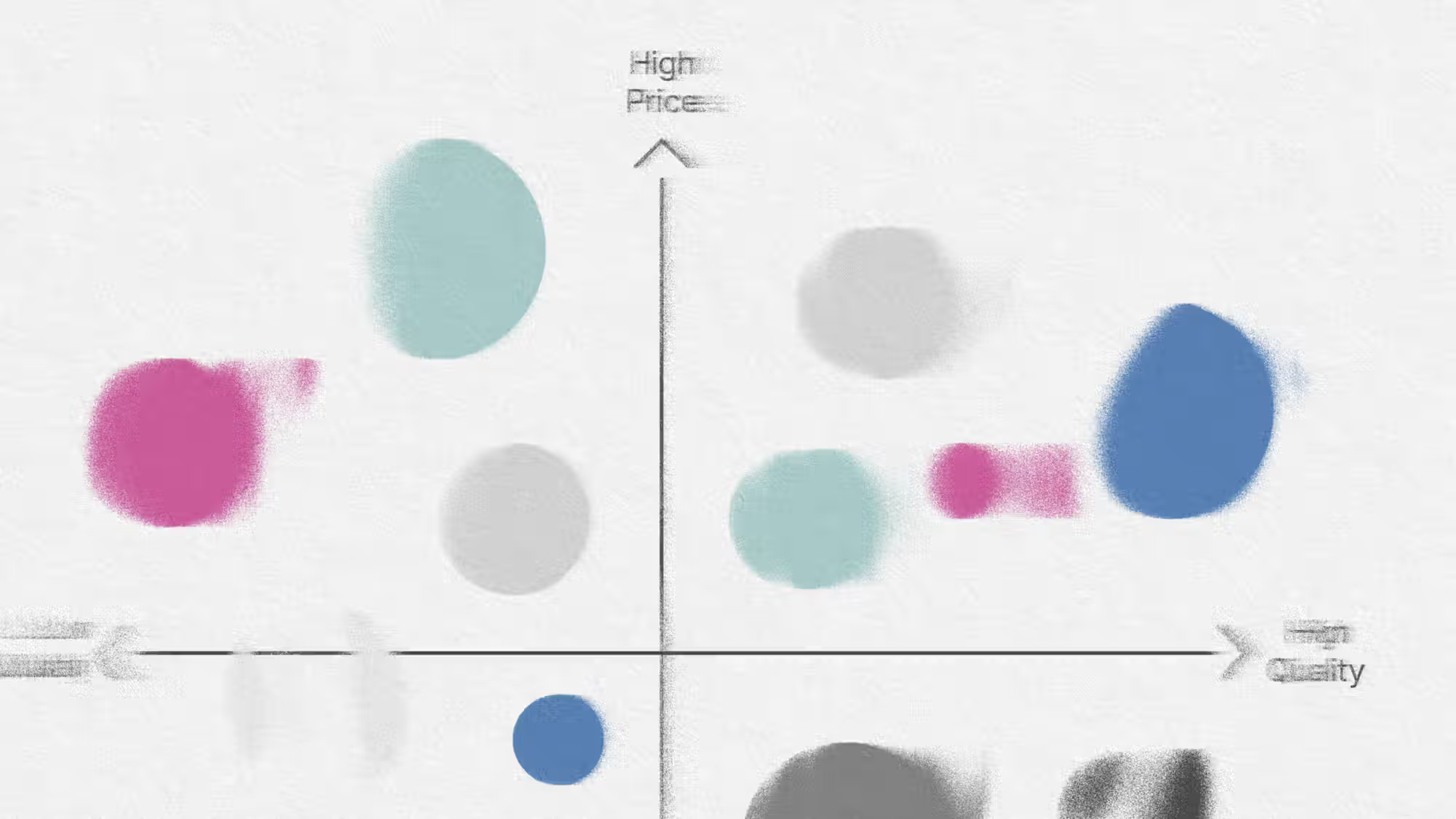
Brand positioning helps answer these questions.
Brand positioning is the intentional process of defining a brand’s unique value and communicating it clearly to a target audience.
It answers questions like:
- What does your brand stand for?
- Why should customers choose you over competitors?
- What makes your offering different?
- How should people feel when they interact with your business?

9 steps to build an effective brand positioning strategy.
Start by defining the target market, target customers, pain points, and consumer preferences shaping the category. This market share research helps reveal gaps in the customer base as well as opportunities competitors may be missing.
Strong positioning starts with understanding how people think, choose, and remember. Looking at audience behavior helps clarify what already exists in customers’ minds and what needs to change.
Once the audience and market are understood, the brand’s unique value becomes easier to see. This is where the unique value proposition, also known as a unique selling proposition (USP), begins to take shape.
Positioning should make the brand stand out for a reason customers actually care about. Clear differentiation creates a competitive advantage by showing why the brand is more relevant, more trusted, or more valuable than another option.
A strong brand promise is not just what a company says it will do. It is the expectation that customers can believe in because it connects directly to what they need.
Positioning becomes stronger when the words and visuals point in the same direction. Messaging, visual identity, and brand personality should work together to create a high-quality experience that feels consistent and recognizable.
A brand positioning statement is an internal guide, not a public-facing tagline. It keeps teams aligned on who they serve and what the brand stands for.
Positioning only works when it shows up consistently. It should come up consistently in marketing campaigns, customer experiences, content, sales conversations, and every touchpoint where the brand is seen.
Strong positioning should be measured over time through metrics, customer feedback, engagement, awareness, and customer loyalty. The goal is not simply to sound different, but to be chosen.
Examples of Brand Positioning
Strong brands repeat one core idea until it sticks in consumers' minds. These are examples of some of the most well-known brand positions:
- Tesla pairs innovation, sustainability, and premium EV performance, often at a slightly higher price.
- Nike links sport to identity, motivation, and movement.
- Apple has a simple design, privacy, and a smooth ecosystem.
- McDonald's leans on speed, familiarity, and consistent value.
- Amazon centers on convenience, selection, and fast delivery.

When a Brand Needs to Reposition
Repositioning can help when messaging feels uneven, brand awareness stalls, or competitors are outpacing you. It also matters when the brand identity no longer matches the business, or when customers can't name the brand's unique value.
Most of the time, repositioning is refinement. As in, you still keep the best parts of what you built, but you might want to find an approach to reconnect with the customer again.

If your position feels blurry, contact Propaganda or review our brand strategy services. The goal is simple. Build a brand people understand, remember, and choose. Let us help!